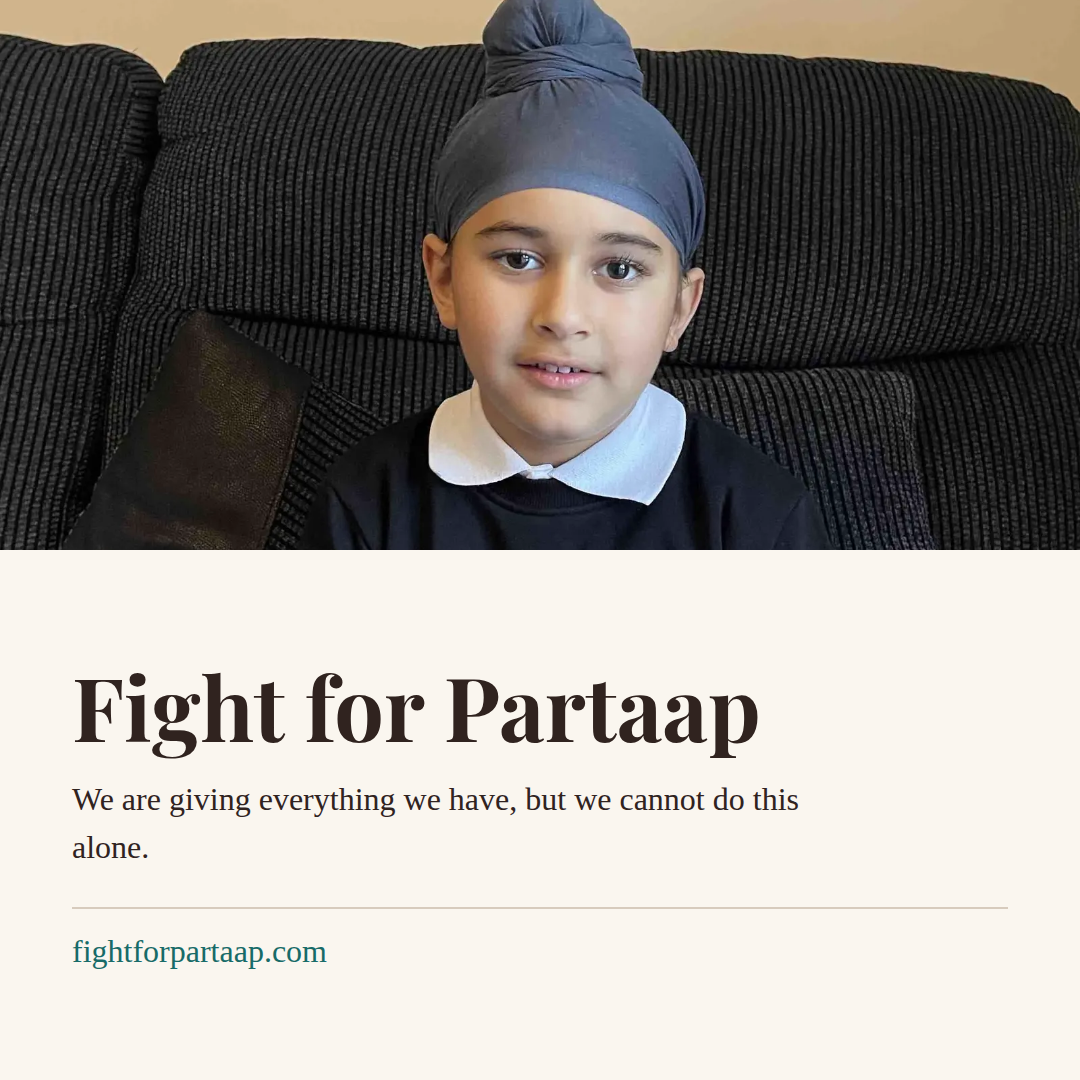
A big thank you from Partaap
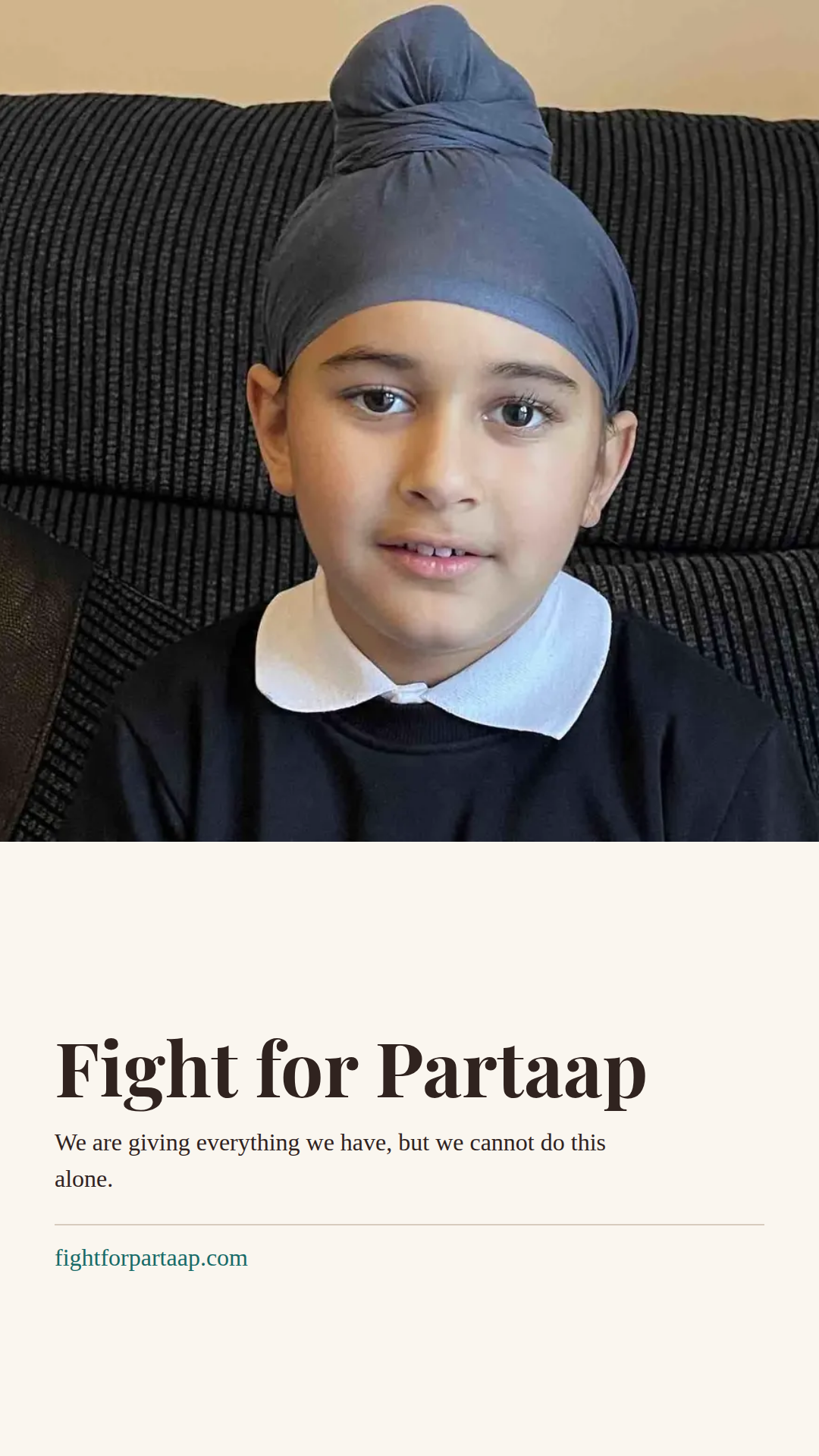
Thank you so much for the love and support you have shown Partaap. The donations and shares are helping our family keep going — and Partaap wanted to say hi.
A family's plea · Juvenile-onset ALS · Please share his story
 Scan to donate
We are giving everything we have, but we cannot do this alone.
Checking the latest figures…
IN THE NEWS
BBC News has reported on Partaap's story and his family's appeal.
Read the BBC News report ↗Thank you so much for taking the time to read our story. I'm writing this as a mum from the West Midlands, U.K., trying to do the impossible — save our child's life.
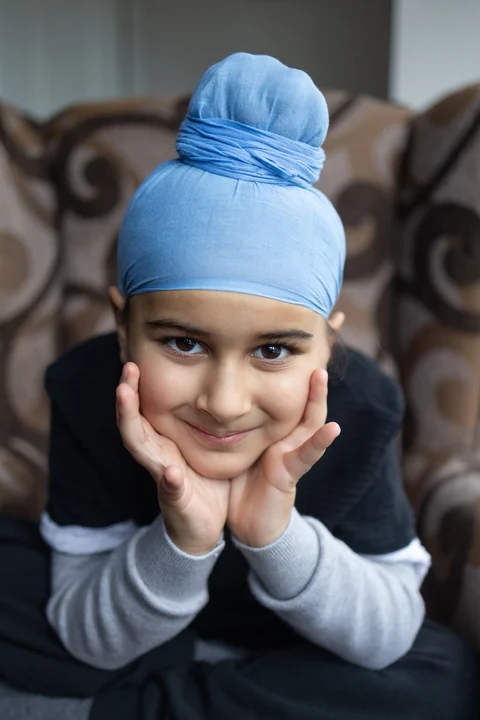
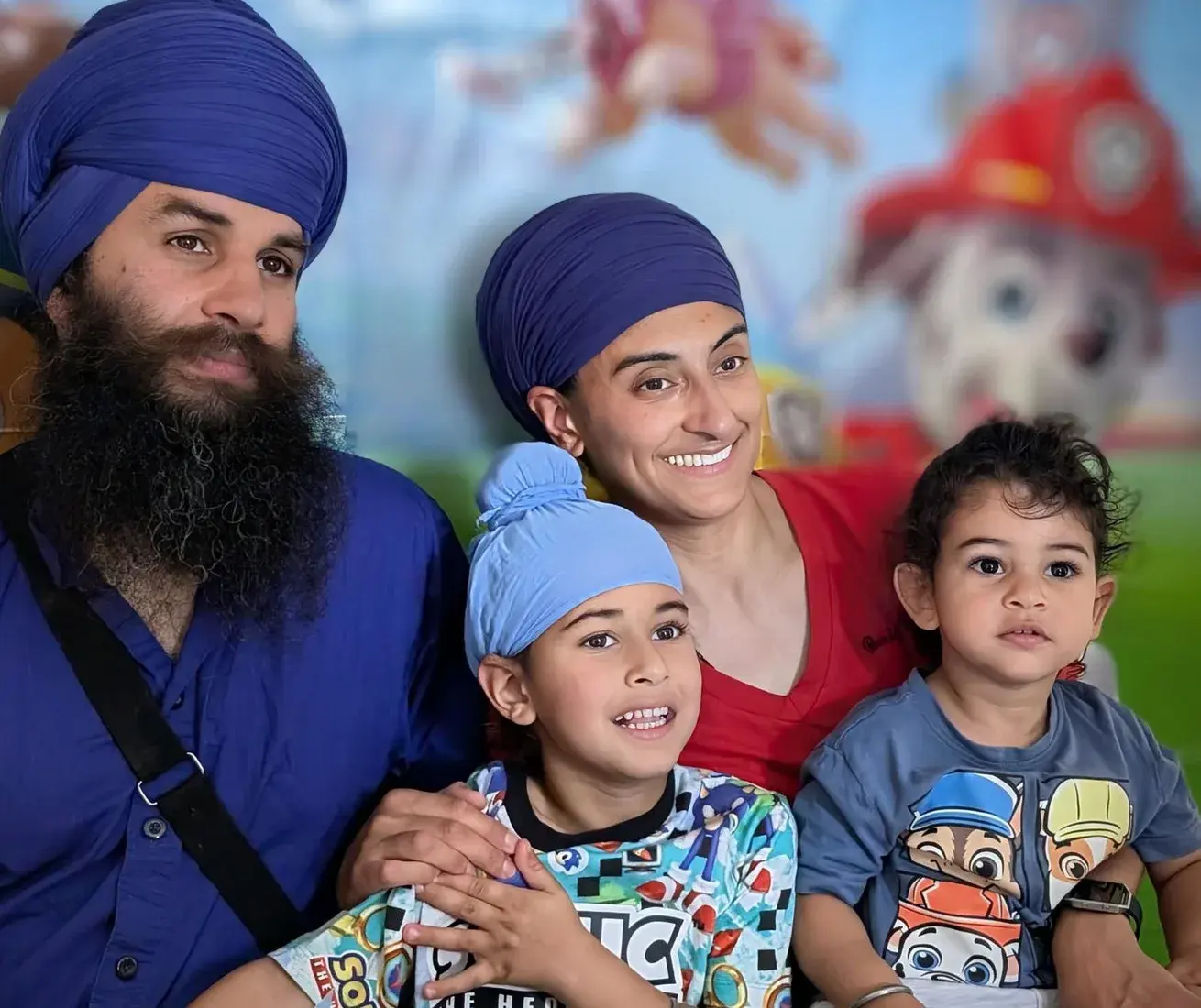
Our son, Partaap Singh, is our brave, bright, confident 6 year old who lights up every room he walks into. He makes friends effortlessly with his sunny nature and beautiful smile, and he is always the first to help anyone who needs it. He is the most wonderful big brother to his younger brother, and is always looking out for him.
Early last year, we noticed small things that didn't feel right. He began struggling to walk long distances, to stand up from sitting, and to climb stairs. He fell often, for no clear reason. What followed were months of hospital visits, tests, and endless worry. Through it all, Partaap was courageous, patient, and unbelievably strong.
In January, our world shattered. His genetic tests came back, and we were told he has an extremely rare, terminal, neurodegenerative disease called Juvenile ALS (amyotrophic lateral sclerosis), also known as MND (motor neuron disease). The gene variant causing his illness, SPTLC2, is so rare that only 40–50 children worldwide are believed to have it. No one knows how quickly it will progress in him, or how much time we have left. As parents, hearing this felt like the ground disappeared beneath us.
There is no cure for ALS. It destroys motor neurons in the brain and spinal cord, slowly taking away the ability to walk, move, speak, swallow, and eventually breathe. In adults, ALS is usually diagnosed around age 55+, and even then, most survive only 2–5 years. In children, it is so rare that very little is known and there are no clinical trials for Partaap's gene variant.
Right now, Partaap struggles to walk more than a few minutes, to climb stairs, to balance, and to stand up from sitting. He falls often and his limbs are weak. But he is still fiercely independent. He still insists on walking wherever he can. He still plays football and tag with his younger brother. He still smiles.
When doctors told us there was no cure, no treatment, and that we should focus on palliative care, we simply couldn't accept that. Not for our child. Not without trying everything. That's when we turned to clinical research where new therapies come to light.
One of the most promising approaches for rare genetic diseases is antisense oligonucleotides (ASOs), targeted treatments that can reduce harmful proteins or "switch off" faulty gene messages. In Partaap's case, his gene variant causes an overproduction of sphingolipids, which is driving the disease.
An ASO for SPTLC2 related ALS has never been attempted before. But we are assembling a team to try to create a bespoke ASO for Partaap that could slow or even stop the progression of this devastating disease.
We are working with Jeff Milton, a scientist and biotechnology entrepreneur who has dedicated his career to making precision medicines accessible for people with rare neurodegenerative diseases. Jeff has worked at Arcturus Therapeutics, Ionis Pharmaceuticals, and Genentech, and now leads Baja Bio, developing individualized RNA targeted therapeutics. His work includes GBFsen, an individualized ASO for ALS, and ALS BAJAi, a serum biomarker for ALS diagnosis.
Jeff is helping us build a team for Partaap, but speed is everything. Every month that passes, we risk losing more of our son's abilities.
Because this disease is so rare, no one knows how aggressive it will be. To move quickly, we need to raise around £1 million to cover the costs of designing, developing, and delivering a potential ASO treatment — something that has never been done before for this gene.
Even if successful, ASOs are not a one time cure. They must be administered repeatedly every few months, meaning long term financial challenges.
On top of this, we face ongoing care costs: therapies, specialised equipment, home adaptations, travel, and everything needed to keep Partaap safe, comfortable, and able to enjoy his childhood.
We are giving everything we have, but we cannot do this alone.
Every donation, every share, every bit of support means the world to us.
Time is absolutely critical. Please help us fight for our son's life, and help us turn his story into one of hope, courage, and possibility.
From our family to yours, thank you with all our hearts.
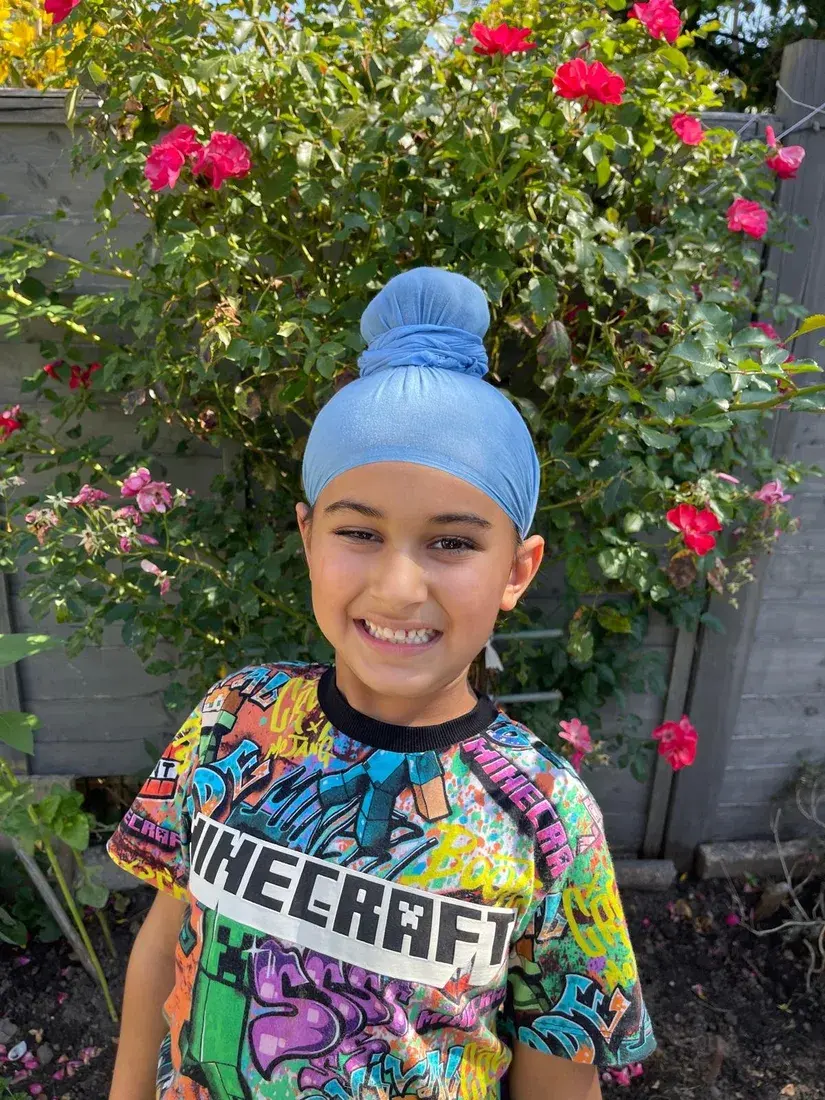
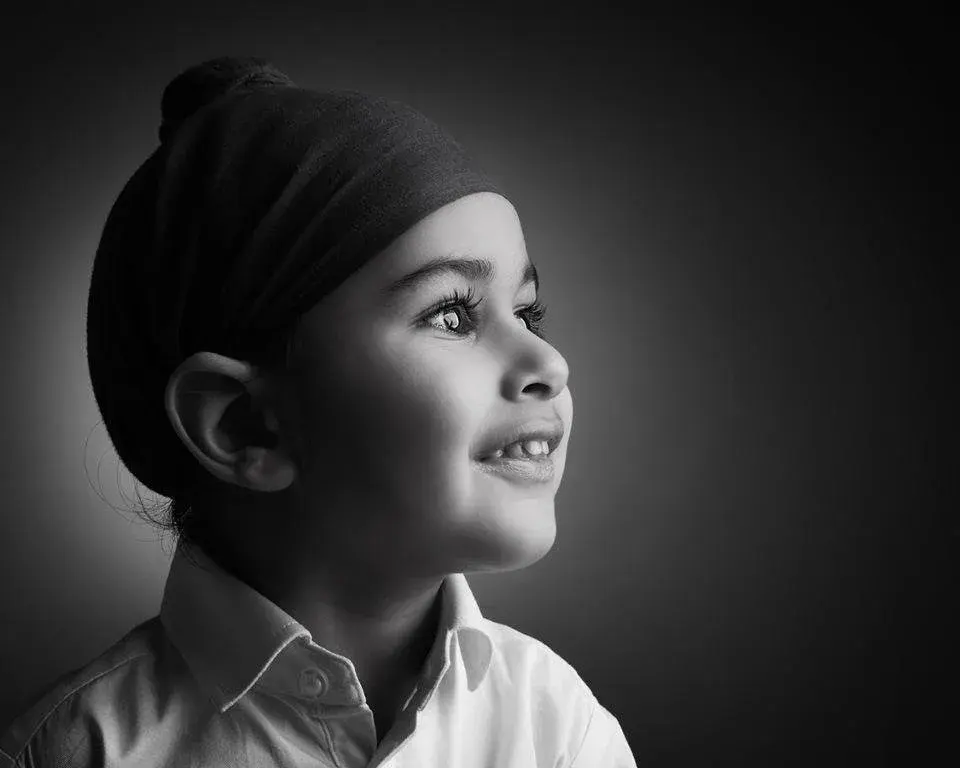
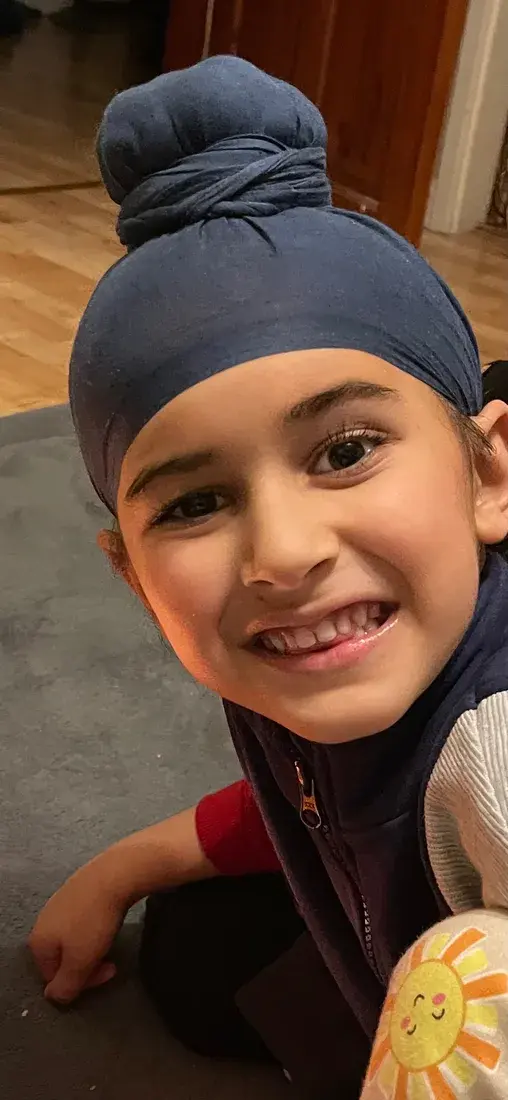
Partaap's Journey
Partaap began to struggle with walking, with standing up, and with climbing stairs.
A lot of appointments. A lot of tests. Through all of them he was so courageous — an absolute trooper.
A few months ago the results came back: juvenile-onset ALS, an extremely rare disease. There is no cure.
There are hardly any clinical trials for juvenile-onset ALS, and for Partaap's particular gene variant there are none at all. His family are asking for ardaas, for prayers, and for anyone who can help to get in touch.
Where Your Money Goes
The bulk of the £1 million target is to design, develop and deliver a bespoke antisense oligonucleotide (ASO) for Partaap's SPTLC2 gene variant — something never before attempted for this gene. The family are working with Jeff Milton of Baja Bio, who has spent his career on precision medicines for rare neurodegenerative diseases.
An ASO is not a one-off cure. It has to be given again every few months, so if it works, the cost continues for as long as Partaap needs it.
Alongside the research: therapies, specialised equipment, home adaptations and travel — everything needed to keep Partaap safe, comfortable and able to enjoy being six.
Taken from the family's own words on their GoFundMe page.
He is six years old, and he doesn't yet understand what he is up against. He still laughs. He still asks questions. He still reaches for his parents' hands. He just needs the world to reach back.
Funds raised will go towards Partaap's treatment, care, and the support his family needs to be there for him.
Understanding the Condition
ALS is a progressive neurodegenerative disease affecting the nerve cells in the brain and spinal cord that control movement. As those nerves are lost, muscles weaken and voluntary movement goes — eventually affecting eating, swallowing, speaking, moving and breathing. It is the most common form of motor neurone disease.
A lot of people do not know what ALS is, which may partly explain why it is so underfunded and why a cure is still to be found. The ice bucket challenge, years ago, was to raise awareness of this disease.
ALS is usually diagnosed in adults from around 55 onwards. It is so rare in children that not enough is known about it — including how it will progress. That rarity also means there are hardly any clinical trials.
There is no cure and no treatment that halts the disease. For Partaap's particular gene variant there are no trials at all. Any significant treatment may still be many, many years away.
The general description of ALS and MND on this page draws on the NHS, the MND Association and the ALS Association. Everything about Partaap himself comes from his family.
Thank you so much for the love and support you have shown Partaap. The donations and shares are helping our family keep going — and Partaap wanted to say hi.
Events
See what is coming up and find ways to support Partaap in person.